 Spotlight 01 / 03
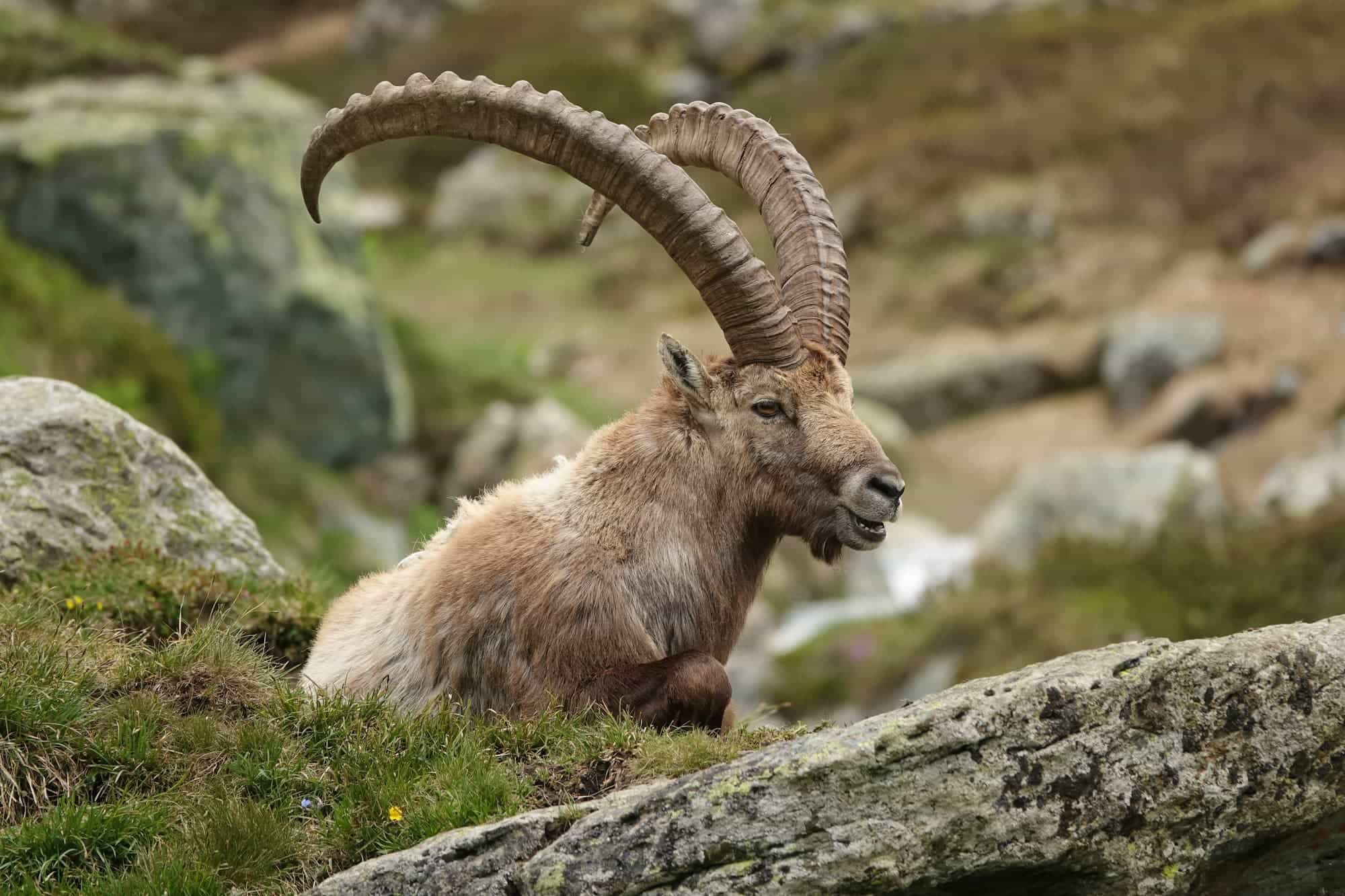
Gilgit-Baltistan
Himalayan ibex
Capra sibirica
Also known as Kail, Kil (Shina)
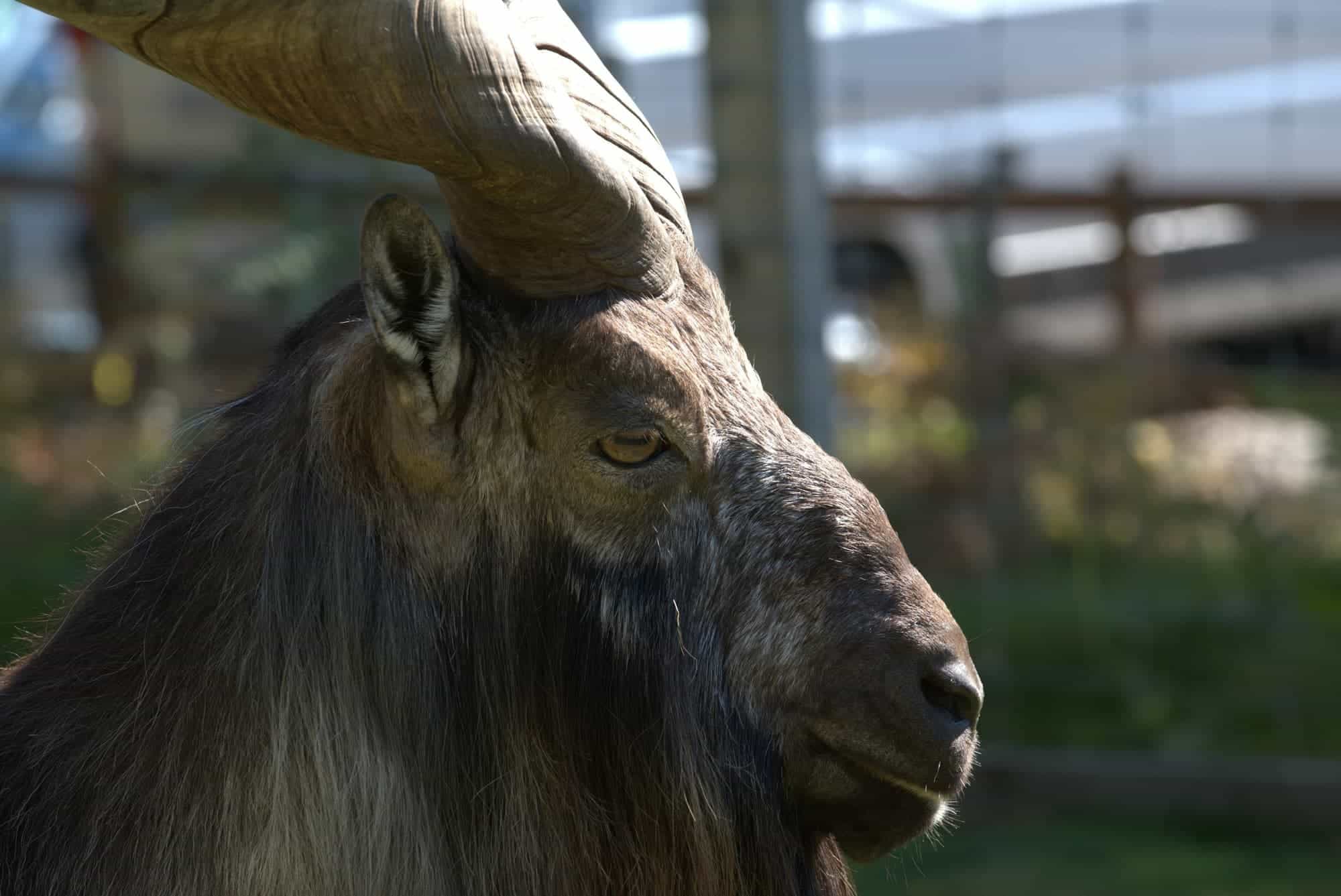
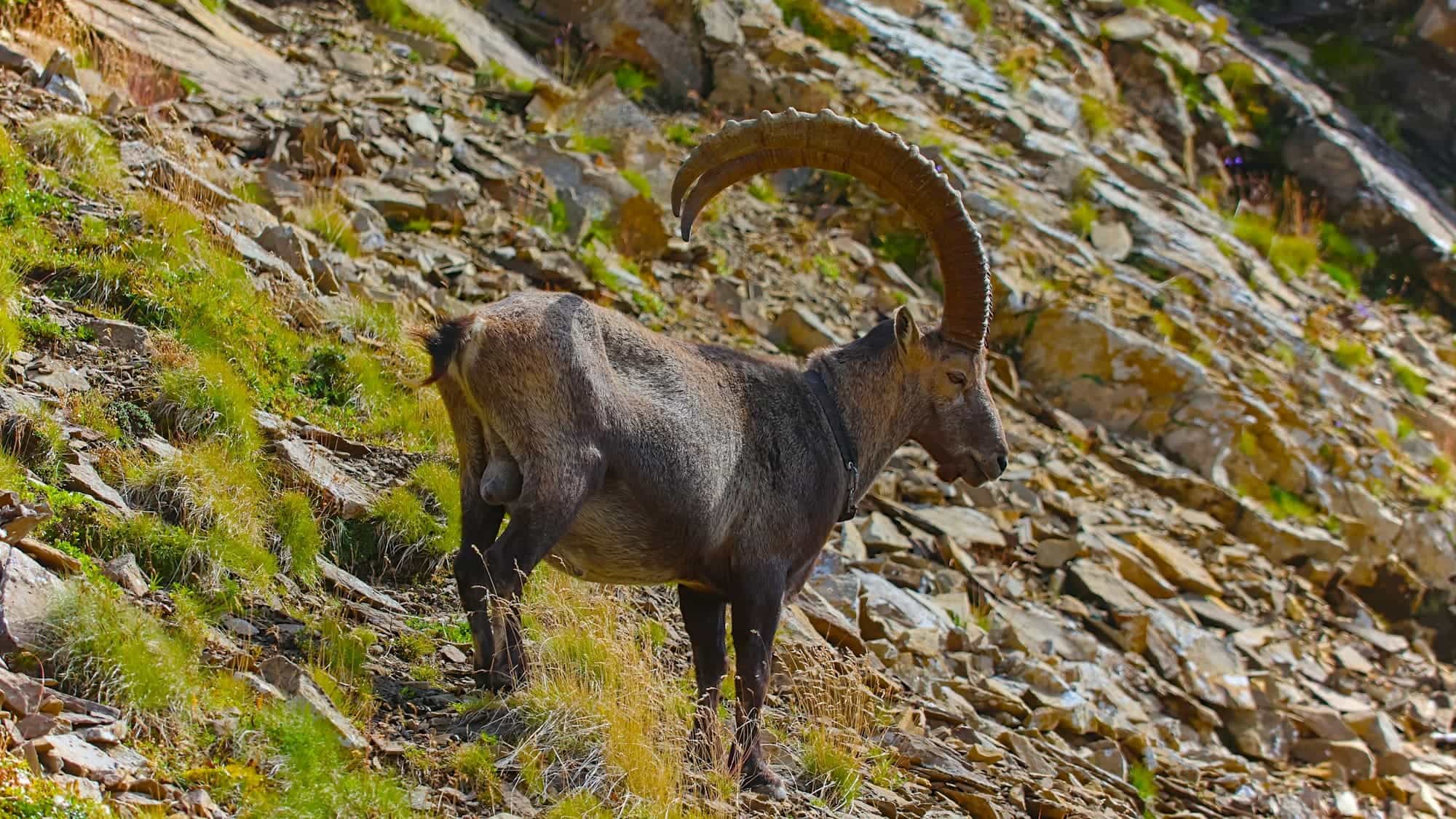
The longest and heaviest of the wild goats. Mature bucks grow massive, back-swept black horns with thick ridges across the front, wear a pronounced beard and turn much darker by December. Outside the late-October-to-January rut they keep to bachelor groups on steep slopes, watched by snow leopards, wolves and brown bears.
Mature male
- Weight
- 60–130 kg
- Shoulder height
- 88–110 cm
- Horns
- About 115 cm, up to 148 cm
- Lifespan
- About 10 years
- Hunting season
- November to April
- IUCN status
- Near Threatened
Did you know?Gilgit-Baltistan counted 7,294 Himalayan ibex in its 2024–25 survey.
Habitat. Cliffs, scree and alpine meadows above the tree line, mostly 2,000 to 5,000 m, moving to lower slopes in winter. Diet. Alpine grasses, sedges and herbs, with twigs and needles in winter. Season. November to April, best in December and January.
Legal status. Legal through Gilgit-Baltistan's community-based trophy hunting programme, in notified community conservancies across Hunza, Nagar, Baltistan, Astore and Ghizer, Gulmit included. Permits are auctioned yearly and 80% of the fee goes to the community.
Plan a himalayan ibex hunt